Featured in Project Manager Magazine
One line on Titansoft’s website immediately sparks curiosity:
“We weren’t born agile.”
What kind of company would open with something so honest and down-to-earth?
The answer: Titansoft, a Singapore-based software company founded by a group of passionate engineers serving the Southeast Asian market. Titansoft has experienced the common challenges of the software industry—high staff turnover, rigid waterfall project management, and the constant search for that perfect balance. Their “mission-driven” approach made them indispensable to clients, but also led to burnout. Eventually, a series of transformations unfolded inside Titansoft, helping the company grow and evolve.
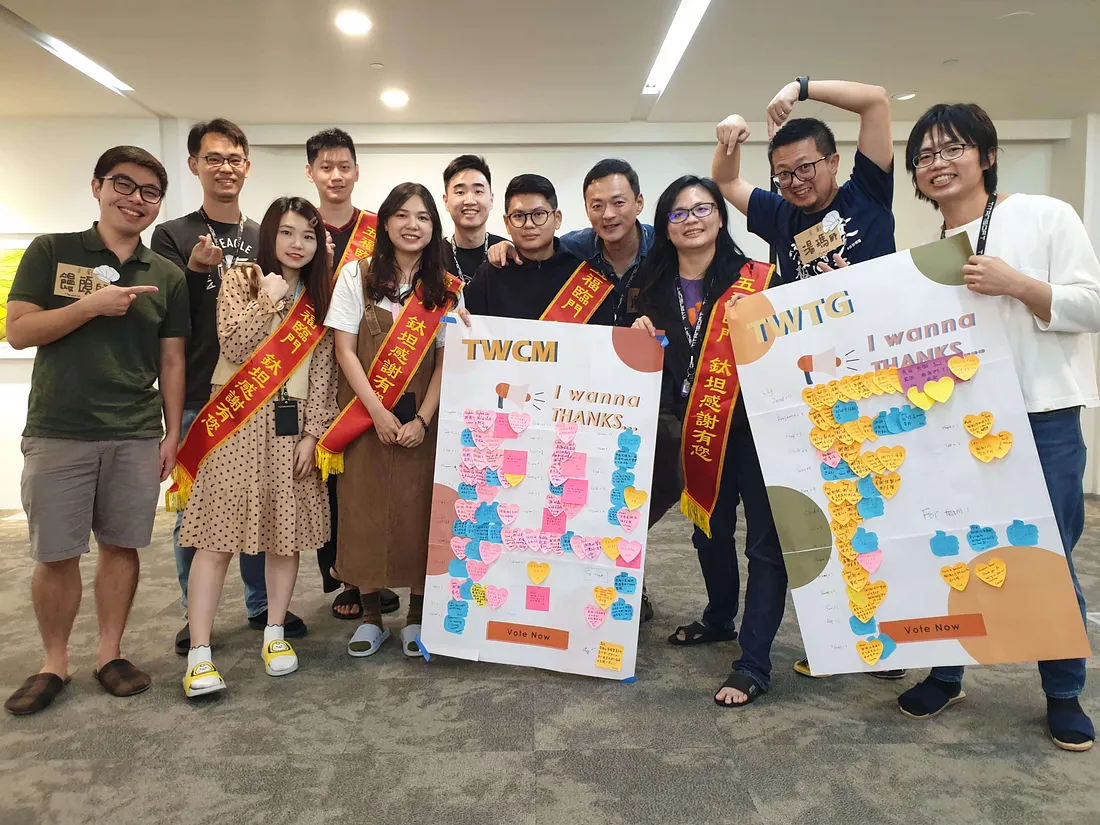
The Software Industry’s Silent Killer: High Turnover
“It all started because we were too good at getting things done,” jokes Tomas Li, General Manager of Titansoft.
Back in 2006, every employee was an expert and a founding partner. They worked around the clock to meet customer needs and respond to market demands.
But as the business grew rapidly, an endless to-do list overwhelmed the team. Internal management was neglected, and no time was left for skill development. The result? Employees began to burn out and leave, and the product delivery started to slip. Internal issues and declining morale became obstacles to progress.
“It felt like we were firefighters, constantly responding to requests with no energy left to explore new opportunities. There was no time to develop talent or think about the future,” Tomas recalled.
“One year, we started and ended with 30 employees, but most of the faces had changed. That was a wake-up call. We had to change.”
Climbing a New Hill: Enter Waterfall Project Management
Transforming the company became urgent, but also incredibly challenging. Fortunately, Titansoft already believed in “Never Stop Improving.” So the company launched into action: work Monday to Friday, and on weekends, attend PMP (Project Management Professional) training.
“Did anyone resist?”
“Actually, no,” said Tomas. “Everyone was eager for change, and they could see the company was serious about growing together.”
The results were immediate. Titansoft landed several multi-year projects and adopted a structured system of quarterly client reviews. Business grew steadily.
Tomas admitted that the Waterfall model, while very structured and almost military-like, brought focus and clear goals. Every team member had to write a daily log, and project assistants helped follow up. Time passed quickly with everyone in sync.
But over time, cracks appeared. The market changed, and the team became too comfortable. By 2013, clients’ products weren’t selling well anymore, and dissatisfaction began to show.
Balance Through Both Division and Collaboration
Tomas explained the challenge:
Waterfall project management works well when the market is stable and predictable. You plan this year for next year, assuming customer needs won’t shift.
“But markets were evolving rapidly. As a B2B software developer, we used to just build whatever the client asked for. But if the market starts favoring something else, our clients struggle—and we go down with them.”
Titansoft needed to change again. This time, they started helping clients explore new development methods, looking beyond just building to spec.
This shift was rooted in the team’s deeply held belief in self-improvement. As they searched for better ways of working, they encountered Agile Development—and it was a game-changer. The contrast between Agile and Waterfall shook their world and opened up a whole new way of thinking.
From “Division” to “Collaboration”: Two Complementary Mindsets
Why is Waterfall called a “waterfall”? Because it flows from top to bottom. It’s built on division of labor, with clear roles and definitions. It’s great for quality control and predictability.
Agile, on the other hand, thrives in uncertainty. It allows for iterative progress and focuses heavily on collaboration.
“Division and collaboration represent two very different ways of working,” Tomas explained.
“For defined, stable tasks, division works best. For uncertain futures, collaboration is key.”
He referenced the X and Y Theories of management:
- Theory X assumes people dislike work and need strict oversight, much like Waterfall.
- Theory Y believes people are proactive and eager to grow, aligned with Agile principles.
“It’s not about choosing one over the other,” Tomas emphasized.
“Both have value. Organizations just need to find the approach that fits best.”
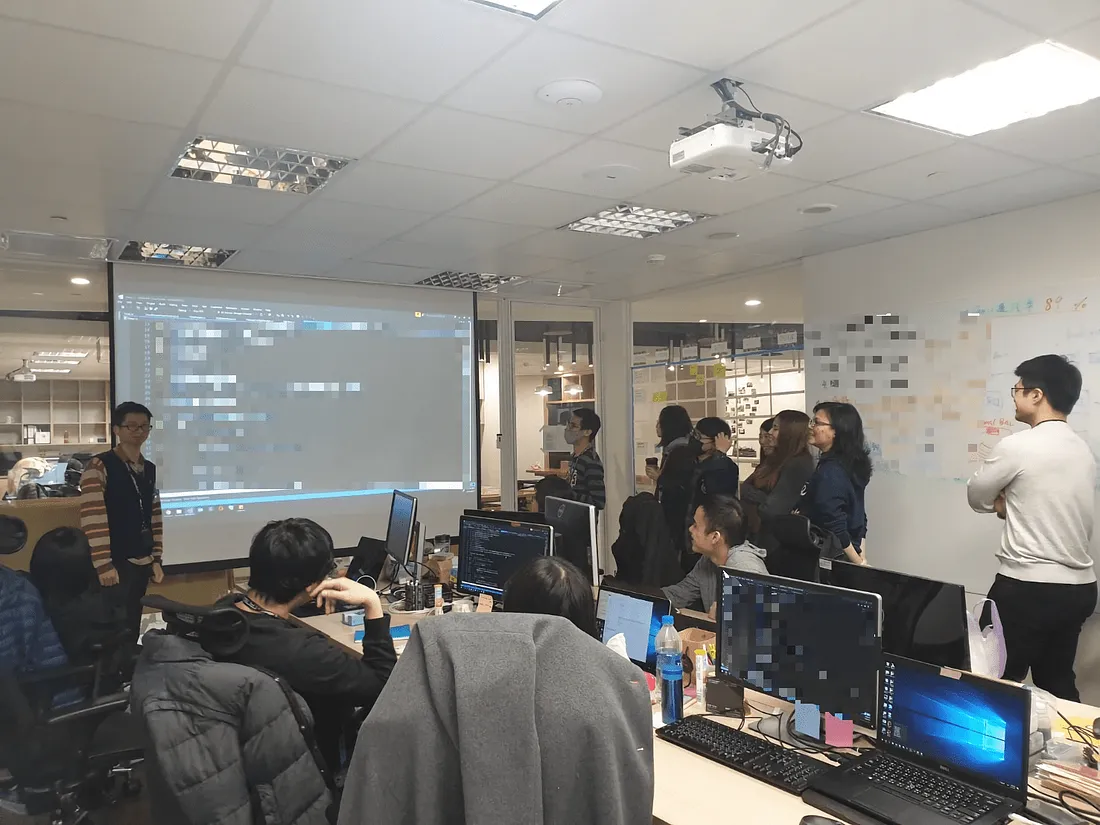
Making Agile Invisible: Collaborating Seamlessly with Clients
Something interesting happened when Titansoft first encountered Agile. Once they got a taste of it, the team became deeply passionate, almost as if they were born with an Agile DNA. Instead of focusing only on internal adoption, they began helping clients practice Agile too.
“I think it comes down to the trust our clients place in us,” said Tomas with a smile.
Initially, they simply asked clients to hold meetings more frequently, so they could clarify uncertain tasks together.
“Once we started, the results were obvious. Clients saw how regular communication helped uncover issues and needs earlier in development, reducing gaps and preventing wasted effort.”
They then introduced clients to a method called Specification by Example (SBE). They would draft requirement examples in Excel, create test case designs based on these examples, and ask clients to review them from a professional standpoint. If there were gaps in understanding, clients would help revise the examples. Over time, clients learned how to confirm specifications by writing their own examples.
“The magic is that requirements become clear before development even starts, and each iteration becomes meaningful,” Tomas shared.
“Personally, that was a turning point in how I view my work. When a client and I write specifications together, the shared clarity and excitement for the product’s future is something you just can’t describe.”
Ironically, many of those clients didn’t even realize they were doing “Agile” until years later, when Titansoft began promoting Agile practices publicly on their website and social media. It was only then that clients connected the dots.
Jira: Reviving the Spirit of Sharing
In late 2020, Titansoft—known for software development—took a bold step and became an official Jira distributor under Australia’s Atlassian software group. The decision was rooted in their pandemic experience.
Agile often emphasizes “Low-tech, High-touch”—keeping tools simple to promote human connection. Before the pandemic, Tomas and his team would frequently fly around the world to meet clients in person and clarify project requirements.
Internally, Titansoft used physical work boards with post-it notes to track project progress, while internal knowledge was documented in Confluence. Digital tools like Jira were secondary: supportive but not central.
But when COVID-19 hit, the Singapore headquarters shifted to full remote work in March 2020. That’s when Jira became a key part of their workflow, and they began to appreciate its strengths in managing Agile projects remotely.
As they used Jira more, employees grew curious. They discovered the rich learning resources available and pursued official Atlassian certifications. After a successful review, Titansoft earned the license to become an official Jira reseller.
“We’ve never been a company that just sells tools or consulting,” Tomas emphasized.
“Our goal with Jira isn’t just to sell software—it’s to help more organizations digitally transform in a structured way.”
From Confluence (for internal knowledge management), to Jira Software (for project tracking), to Jira Service Management (for customer support)—Titansoft now offers a full toolset to support Agile growth.
“If you want to do great work, you need the right tools. Choosing the right platform is a key first step in any transformation.”

👉 Curious about how JIRA is used in real projects?
Check out this article: 🔗“How Agile Teams WFH Effectively with JIRA – The Best Agile Tool During the Pandemic”🔗
Three Core Principles of the Agile Mindset
Agile has been steadily growing in popularity across Taiwan. At events hosted by the Agile Community Taiwan (ACT), Taiwan Agile Tribe (TAT), and other Agile networks, you’ll often spot Titansoft in action.
“When we were first transitioning to Agile, the support from the Agile Singapore community played a huge role,” shared Tomas.
“They generously shared their knowledge and experience. So now that we have a chance to contribute to Taiwan’s Agile movement, we give back with the same spirit—through participation, support, and promotion.”
With years of experience, Tomas distilled three key Agile principles that guide Titansoft’s approach:
1. Small Increments
Start small, focus on improving just one thing each day. This embodies the Agile value of continuous improvement. Even tiny changes add up.
2. Gather Feedback
After each improvement, actively seek feedback from others, from yourself, and from the team. This helps clarify the difference between what people want and what they need.
3. Keep Iterating
When you apply small changes and gather feedback repeatedly, you create a cycle of continuous iteration. This rolling approach allows the team to stay agile, adapt quickly, and respond to real market shifts.
“It’s about learning, adapting, and getting closer to the heartbeat of the market one step at a time,” Tomas concluded.

 T.8ytes by Titansoft